Koki Oguchi
Pediatrician
Former Head of the Neonatal Intensive Care Unit, Kitasato University Hospital
Founded Oguchi Children’s Clinic in 2000
Closed the clinic in 2025
When I asked Mr. Oguchi if he would speak with me, he said, “There’s a great pizza place nearby—let’s go have lunch there sometime.”
When I arrived, he was already there, waiting with a glass of wine.
After we had talked for a while about recent events, I asked why he had chosen pediatrics over internal medicine or surgery.
“Because children are the future. And besides, they’re adorable, aren’t they?”
After a short pause, he added,
“Looking back, I’m really glad I became a pediatrician—especially a neonatologist.”
In the autumn of his second year of high school, he told his father he wanted to go to university to study history. His father replied that he wouldn’t be able to make a living that way and told him to become a doctor instead.
When he heard that a new medical school was being established at a university in Kanagawa, he applied and was accepted. He considered taking another year to aim for a more prestigious university, but his father encouraged him: “You’ve been accepted—why not go?”
At first, he regretted it.
Perhaps because it was a newly established faculty, many of the students seemed eccentric, and the professors were unusually young. But over time, he grew accustomed to his surroundings, and inspired by the passion of those young professors, he began to find medicine fascinating.
Above all, it was his encounter with a mentor—a neonatologist—that ignited his passion. Determined to become like that doctor, he joined a university hospital. For the next twenty-five years, until he opened his own clinic at the age of forty-eight, he remained deeply involved in the care of newborn lives.
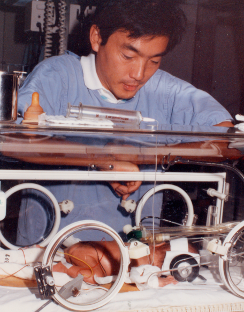
“It’s a wonderful job,” he said.
There were moments when children in desperate condition were saved through their split-second decisions and treatment. Sometimes, he and the nurses would raise their hands in celebration. And when he later met those children again at outpatient visits after they had been discharged safely, the joy was immeasurable.
There were also times when, despite their best efforts, disabilities remained, and he felt a deep sense of regret.
There were painful farewells with parents who said, “We wanted you to save our child no matter what.”
Even so, he continued working as a neonatologist because he wanted to bring children out of the intensive care unit—to let them feel sunlight and the gentle breeze.
He wanted to show them that this world is beautiful.
After opening his clinic, he established a developmental outpatient service for children who had been discharged from intensive care, drawing on his experience at the university hospital. Although it operated at a loss, he hired clinical psychologists and provided consultations for parents of children with aftereffects or autism. He personally saw new patients after regular hours, often spending as much as an hour with each one.
Feeling that insurance-based care alone was not enough, he rented another floor in the same building and, together with his nurses, created a community space for child-rearing. As for those nurses—every one of them had shared both triumph and disappointment with him at the university hospital. When he reached out to them after they had left, they were all delighted to join him again.
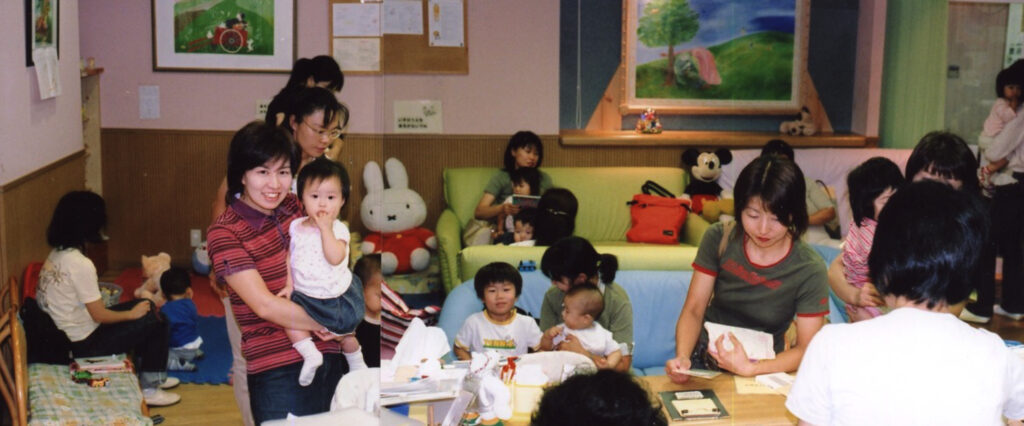
Last year, marking fifty years as a pediatrician, he closed his clinic.
He wanted to retire while still in good health and enjoy the years ahead.
The nurses who had supported him all those years felt the same way.
And yet, his work continues.
There is “Aozora Republic,” a residential facility for children with serious illnesses and disabilities. Contributing to its development is his final mission as a pediatrician. It is also a continuation of the work passed down from the mentor who once inspired him as a medical student.
After fifty years, his passion has not faded.
By Takeshi Kikkawa
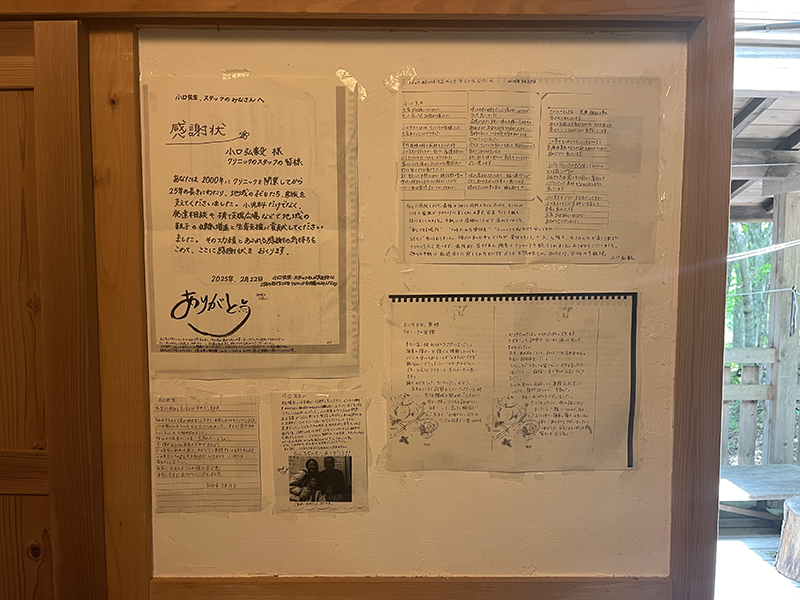
On the wall of the mountain hut where Dr. Oguchi spends his private time are letters of gratitude from patients and their families, sent when his clinic closed.
Selected excerpts are below.
Dear Dr. Oguchi,
Dear Dr. Oguchi,
I first met you when I was in kindergarten, in my middle year. Thank you so much for being on my side all these years.
You always told me I was a “good kid.” The person I am today is because of you. Meeting you has been one of the greatest treasures of my life.
Thank you, truly, for everything.
Dear Dr. Oguchi,
息子の障がいを頭では理解していても、心では受け入れることがなかなかできず親なのにどうしたらいいのかわからない、でも、元気なフリをしてすごしていたと思います。妹がカゼをひき、クリニックにかかり、先生のところで診察をしていただいた時に、家族構成を開かれ、「2才上に兄がいます。ソトスと言われています」と、言った瞬間、先生から「お母さん、ボクはたぶん日本で一番・ソトスをみてきたんだよ。つらかったね。でももう大丈夫!」と、言われてとにかく涙しか出てきませんでした。先生、あの日のことは、私は一生忘れません。
The moment I said that, you replied, “Umi-san, I’ve probably seen more cases of Sotos syndrome than anyone else in Japan. You’ve had such a hard time. But it’s going to be okay now.”
At that moment, all I could do was cry.
Doctor, I will never forget that day for as long as I live. You truly saved me.
At the clinic, I complained, cried, and leaned on all of the staff. Coming to the hospital helped me regain my strength.
I wanted to thank everyone in person after all the conversations we shared, but I know I would only end up crying, so I’m writing this letter instead.
Thank you so very much. I cried a great deal, and through that, I became a stronger mother. From here on too, I’ll keep doing my best and staying positive.
Dear Dr. Oguchi,
娘はわずか509gで小さくまれ、NICUで7ヶ月過ごしました。今ではクリニックのサポートもあって、風邪を引いても自力で治せるようになり。また私も母として自信もついてきたと思います。娘からたくさんの事を学び、娘を通じてたくさんの方と出会い、医療福祉の事を学ばせてもらっています。日々の生活は大変だけれども、その大変さも幸せの一つなんだなと実感しています。この幸せをくれたのも、小児科の先生、医療従事者の方々が命を助けてくれたおかげだと思っています。小口先生のような医師に出会えて本当に良かったです。大変お世話になりました。ありがとうございました。