Jacqueline Worswick
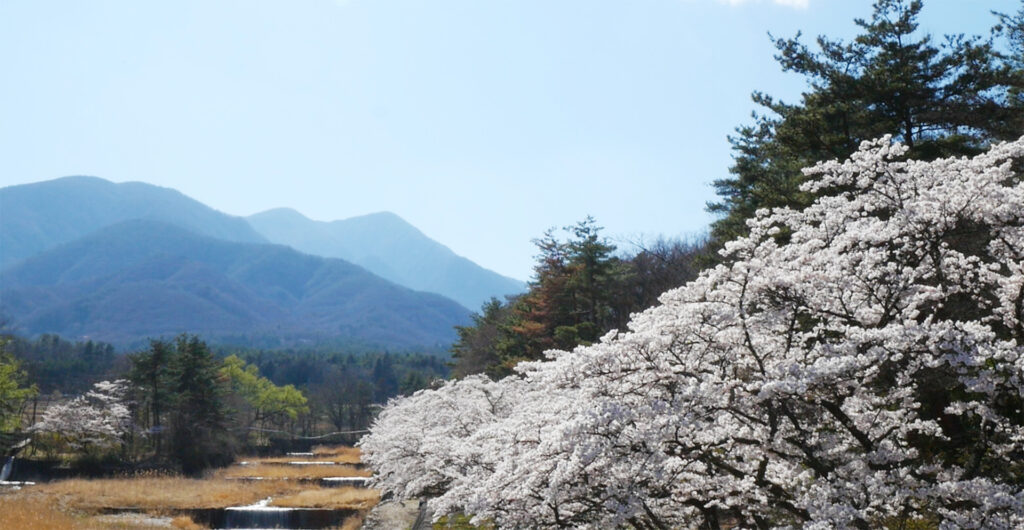
あちらこちらの民家の庭先や、すぐそばを流れる神宮川沿いの桜が満開になったその日、山梨県白州の「あおぞら共和国」では、イギリス人のジャクリーン・ウォースウィックさんが、夫リチャードとともに立ち上げに深く関わった世界初のこどもホスピスについて語った。
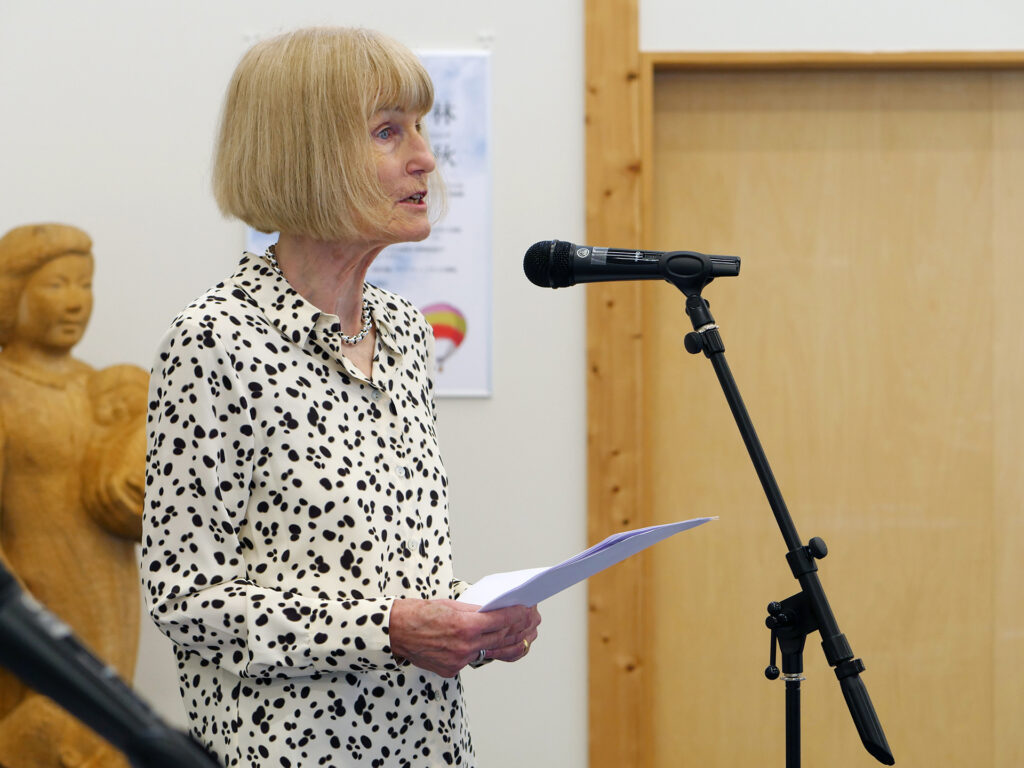
Her audience was made up of people who carried experiences not easily told in a single breath: parents of children with serious illnesses, parents who had lost a child. Jacqueline, too, was a mother who had lost a child, her eldest daughter, Helen.
She spoke of the meaning of a family staying close to a child whose time is limited. Of the necessity of supporting families who tend toward isolation. Of the importance of treating a child not as a medical case, but as an individual person.
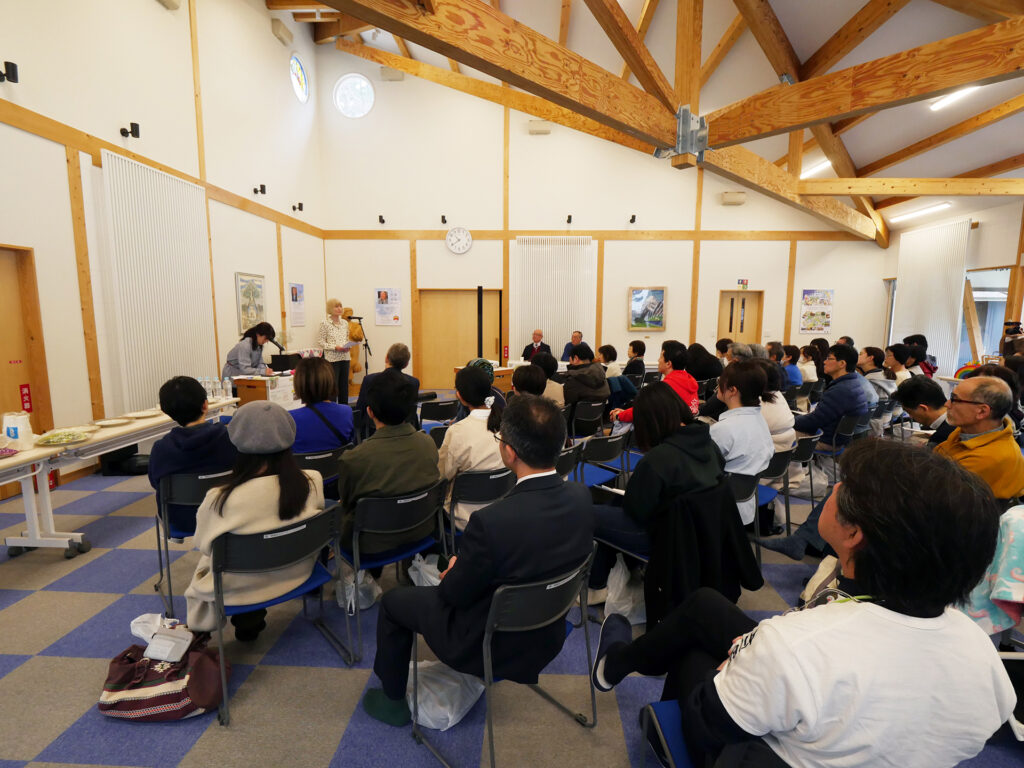
When the time came for questions, each person thanked Jacqueline before speaking, briefly, of their own experience.
One woman said that looking out from her child's hospital room at a patch of sunlight, she had thought to herself: even there, in that light, I will never laugh again.
Another had spent four years unable to recover after losing his child, and then went on to establish a children's hospice in his own community.
Someone else spoke of the good fortune of having come across Jacqueline's book.
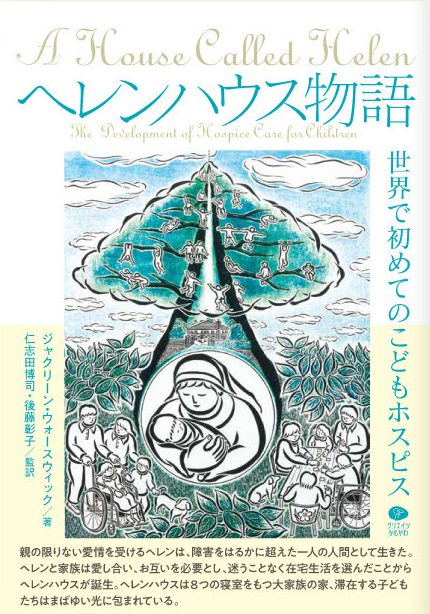
Introduced to Japan in a translation by pediatrician Koki Oguchi and others.
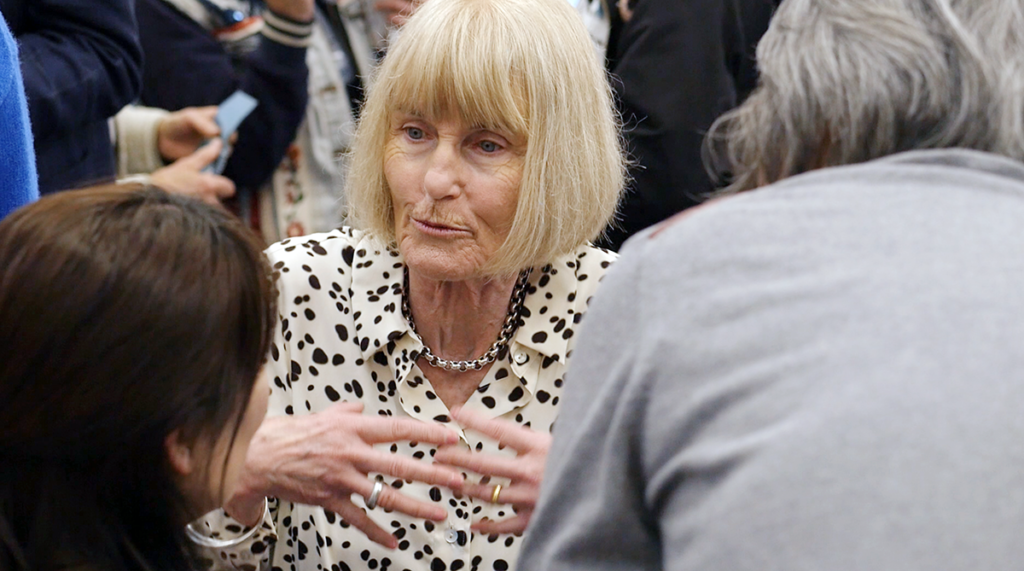
Afterward, there was a reception. Jacqueline was kept busy — signing copies of her book, exchanging words with a member of the imperial family who had attended. The other participants, too, fell into conversation with one another, exchanging business cards.
Sweets had been set out on the conference tables, but hardly anyone touched them.
As the event drew toward its close, a light rain began to fall outside — not enough to warrant an umbrella. Everyone left the venue with lingering smiles, reluctant to part.
Saying, one after another, how fortunate it was that the cherry blossoms had chosen this very day to be in full bloom.
By Takeshi Kikkawa