Miki Takahashi, M.D.
Plastic and Reconstructive Surgery
There is more in her patient charts than medicine.
Alongside the clinical notes, she records snippets of small talk—a grandchild's field day, a trip somewhere. Things that have nothing to do with treatment. She writes them down anyway. For the next visit.
I asked why she keeps records of things like that.
"I want them to know I am really listening,"
she said.
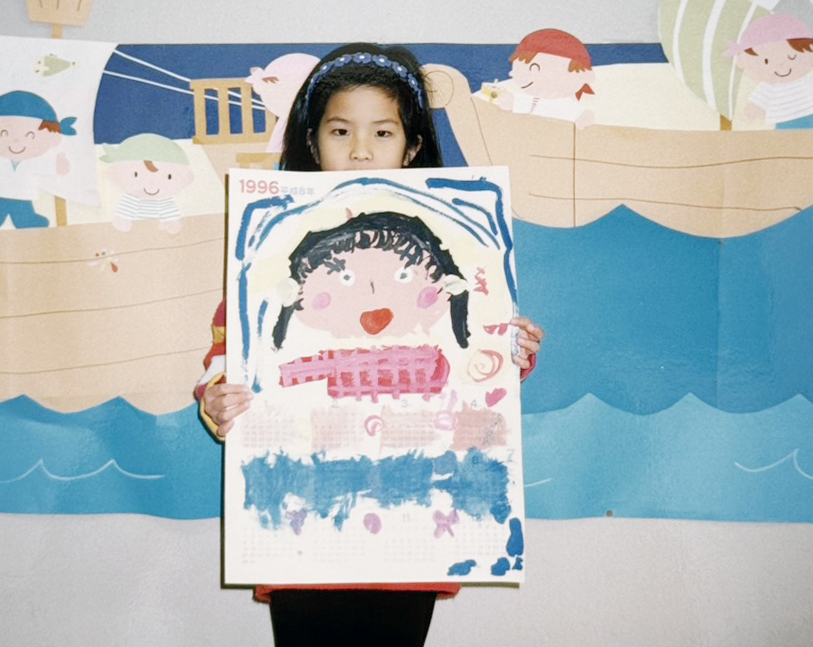
By the time she was in elementary school, she had already decided to become a doctor.
From that point to this, she has never once imagined any other path. Her mother had hoped from early on that she would go into medicine, but never said so directly.
Instead, she watched the TV drama ER with her daughter, and left newspaper clippings about Doctors Without Borders on the table. That must have done it, Takahashi laughed. But she never felt steered or pushed—never had the sense that a track had been laid down for her.
If anything, she said, she is grateful to her mother for helping her find her way to this path.
"What exactly does a plastic surgeon do?"
I asked.
On the larger end of things, she told me, a plastic surgeon might reconstruct a breast lost to cancer using tissue from elsewhere in the body, or rebuild a nose destroyed by injury. They are, in the most literal sense, forming parts of the human body.
In serious cases, the work can mean the difference between life and death.
Sometimes, years after losing a patient, she finds herself suddenly thinking of them again and pulls out the old chart. Reading the casual notes there, she can see their face. Was that the right call? Was there something more she could have done?
When that unresolvable struggle begins to churn inside her, she asks herself a question—deliberately, as a way of drawing a line.
Was I sincere, until the very end?
"Depending on the circumstances, a doctor may be the last person a patient truly connects with. Someone in that position has no business being anything less than sincere. Even where medicine has its limits, sincerity is the one thing you cannot let go of."
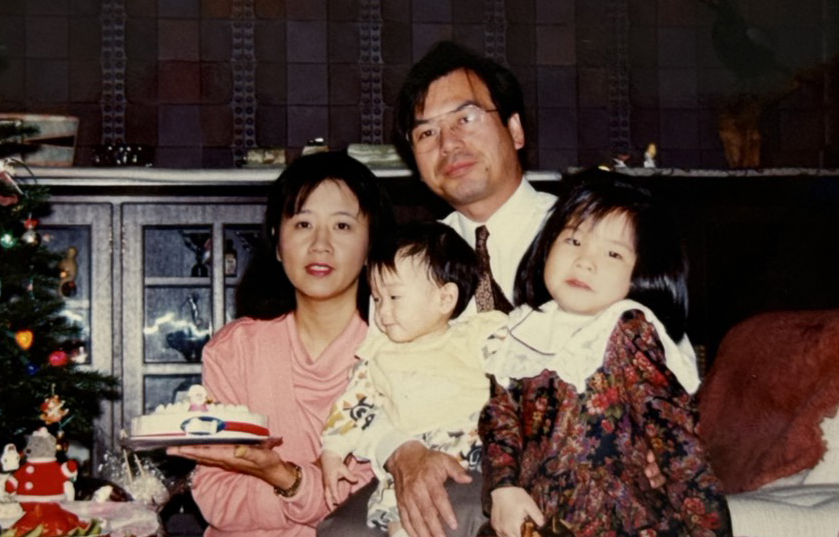
Three years ago, her father died.
He had been genuinely overjoyed to see his daughter become a doctor—so much so that when the time came for him to be hospitalized, he chose the very hospital where she worked. Having her nearby, he felt, would be some comfort through the ordeal.
A painful farewell, and a new life. The world around her changed at a dizzying pace.
Now she has stepped away from clinical work for a time and is doing graduate research in a new area of medicine. Juggling childcare with the demands of her work and research is hard going, but she wants to be a role model for women plastic surgeons of her generation. When she finishes her degree, she said, she is looking forward to returning to practice and facing patients again, just as she always has.
I asked one more time whether there was truly no other life she could imagine for herself. The answer was the same.
By Takeshi Kikkawa